GEOGRAPHY
Curriculum Map

Intent
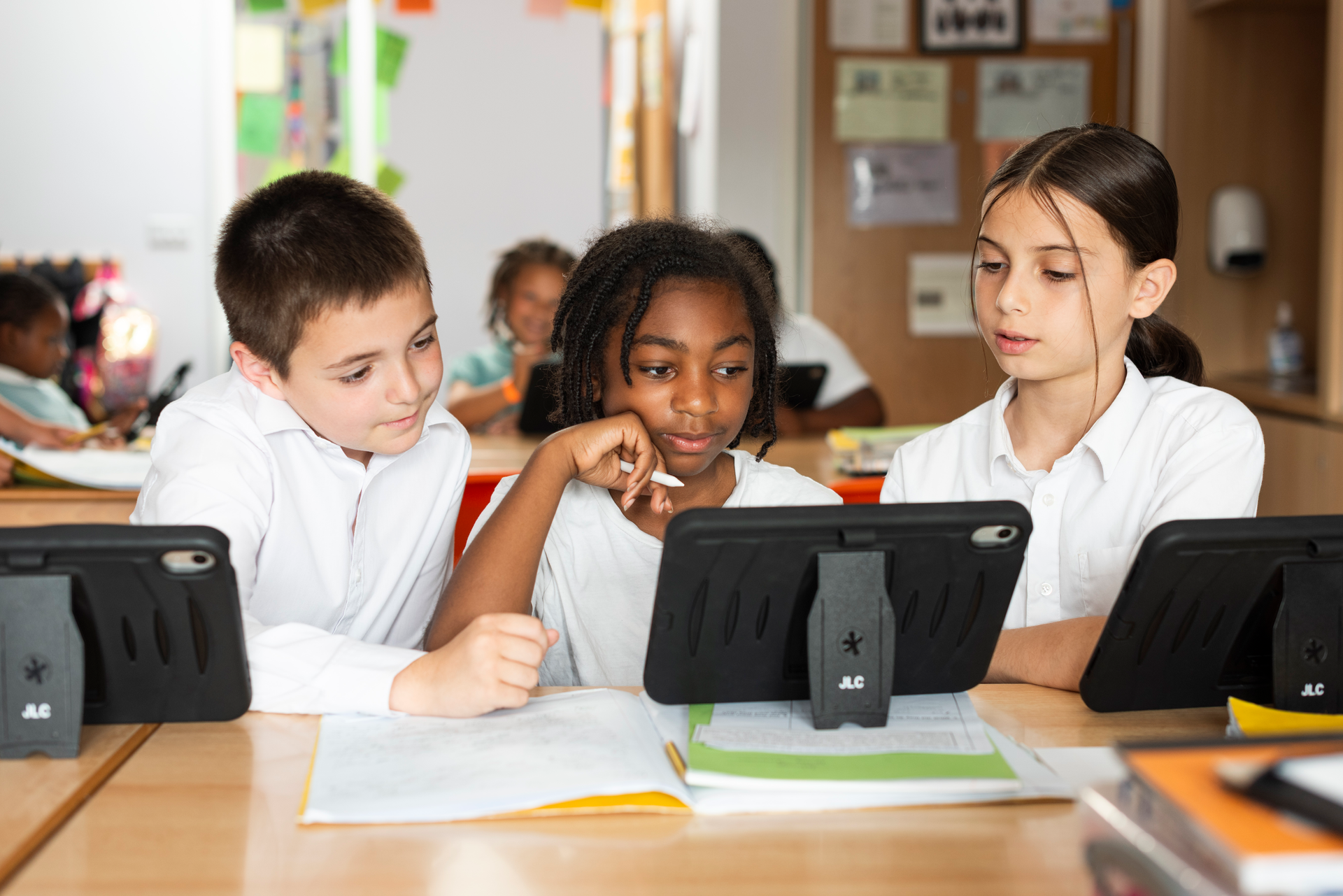
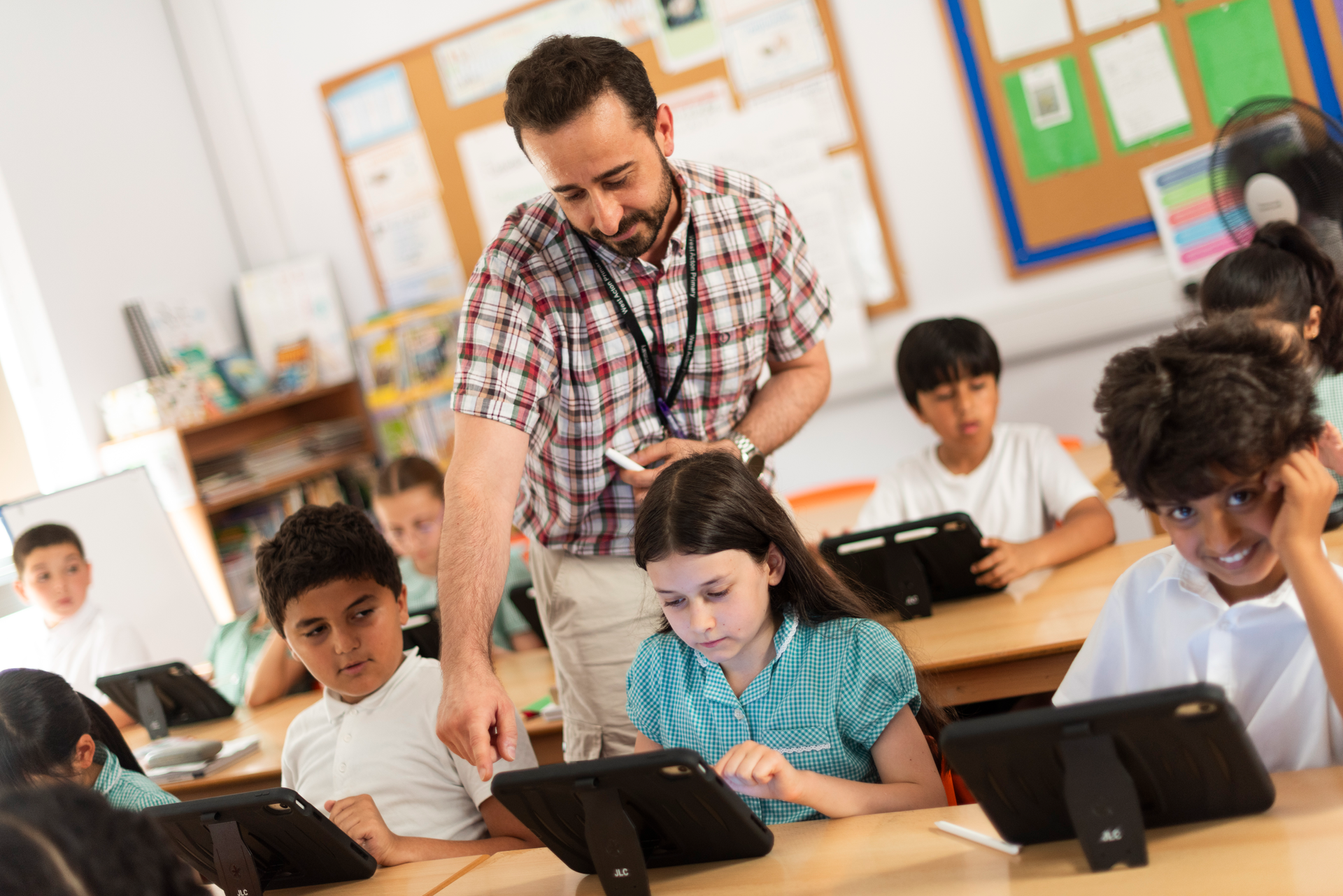
The main goal of the National Curriculum for Geography is to encourage pupils to develop their interest and curiosity in the world and its people. We aim for Geography to be accessible to all children. A pupil’s reading and writing ability should not be a barrier to them developing and demonstrating their understanding of Geography. Our intention is for oracy tasks to provide pupils opportunity to demonstrate their understanding of geographical knowledge and skills. Helping pupils make connections across the Geography curriculum to build on their existing knowledge is a priority. Pupils are now completing Geography lessons on OneNote on ipads. Our intention is for educational technology to enhance the learning experience of pupils, to make learning more accessible and to strengthen feedback, assessment and recall.
Implementation
Geography and History are covered under the topic Humanities. Each year group studies three half-termly Geography units and three History units (see our Humanities curriculum map). We take an enquiry-based approach to Geography and help pupils understand the substantive knowledge as set forth in the National Curriculum, which includes declarative knowledge (locational knowledge, place knowledge, and human and physical processes) and procedural knowledge (geographical skills and fieldwork), as well as disciplinary knowledge which enables pupils to ‘think like a geographer’.
Each unit has a main inquiry question, which pupils answer in Lesson six (a recall lesson) with reference to the five previous lessons. Knowledge Organisers display key vocabulary (two words from each lesson) and knowledge, and they are used as a reference point and recall tool.
Lessons begin with a number of starter slides to briefly recall prior learning. This includes a Recall Grid, in which pupils recall the previous lesson’s key learning. Learning tasks often have an oracy focus and may include group discussions and presentations using maps, diagrams and data. Tasks respect the discipline of Geography and allow pupils to demonstrate their understanding of the key learning points. Lessons finish with a next step in which pupils answer the lesson enquiry question. Lessons are now being completed on pupil ipads. As well as increasing general efficiency, this enables pupils to record oracy tasks such as discussions which can be replayed during whole-class feedback, and use Digimaps, an online mapping programme, to extend their declarative and procedural knowledge.
In Early Years, Geography is taught in the specific area of ‘Understanding the World’, through which pupils begin to understand the need to respect and care for the natural environment and all living things, learn that there are different countries in the world and talk about the differences they have experienced or seen in photos.
Impact
Recent priorities have been incorporating educational technology, making learning accessible to all children and helping pupils develop and recall their knowledge. Subject monitoring, including pupil voice and book looks, learning walks with school governors and the local authority over the past two years, and our Spring 2023 Ofsted inspection have evidenced that pupils of all backgrounds and attainment at our school enjoy learning Geography, are more confident talking about their learning (for example when using Knowledge Organisers as a recall tool) and are able to accurately discuss key learning using geographical vocabulary.
Adaptive Teaching and Inclusion
We endeavour to make learning accessible for all pupils. Communication in Print is widely used and especially helpful to pupils with SEND and EAL. Pupils are supported in mixed ability groups and visuals are used extensively. Oracy resources are used in Geography to support discussions. Some children from our ARP attend mainstream Geography lessons in the afternoon.
Home Learning
There is no homework for Geography. However, a range of challenges are held each term to encourage children to engage with both local and wider geography related to our curriculum.
Cultural Capital
Pupils in every year group attend at least one trip as well as an additional fieldwork trip. Workshops are also organised to consolidate learning. These experiences build our pupils’ cultural capital, help Geography come alive and receive positive feedback from pupils.
Resources
We are a member of the Geographical Association:
Home - Geographical Association


